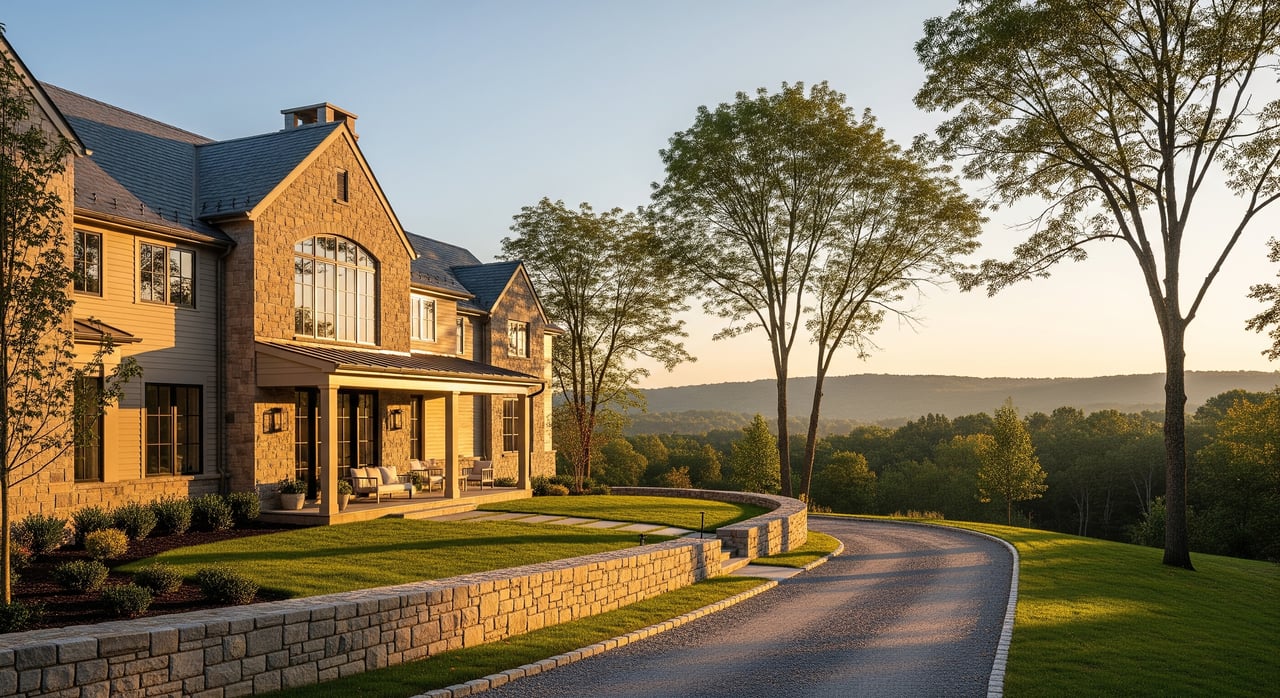
You want more space, quiet streets, and an easy reach to Pittsburgh without feeling too far from everyday needs. If Murrysville keeps popping up on your list, you are not alone. Many buyers look here for larger lots, a suburban feel, and practical access to the city. In this guide, you will learn what day-to-day life feels like, how the commute works, what to expect from schools and parks, and how to plan your move with confidence. Let’s dive in.
Where Murrysville sits
Murrysville is an outer eastern suburb in Westmoreland County along the William Penn Highway corridor. It sits roughly 15 to 25 miles from downtown Pittsburgh, depending on your starting point. Typical drive times to the city run about 25 to 40 minutes in normal conditions. You will find a mix of established neighborhoods and newer subdivisions, plus overall lower housing density than inner-ring suburbs.
Commute and transportation
Driving basics
Most residents commute by car. Main routes toward Pittsburgh see the most traffic during peak hours, so your exact location within the borough matters. Expect typical suburban congestion patterns in the morning and late afternoon. Winter travel conditions are a factor in this part of Pennsylvania, so plan for snow removal and driveway parking needs.
Transit options
Public transit within Murrysville is limited compared with inner suburbs. County or private commuter services operate in the region, and routes change over time. Many residents use a patchwork of rideshare, carpooling, and park-and-ride lots for a flexible routine. If you prefer not to drive daily, review current schedules and locations before you pick a neighborhood.
Commute tips
- Test your route during rush hour from any home you are considering.
- Keep a backup route for weather or road work days.
- If you split work between home and office, plan your home office and internet needs early.
Schools and childcare
Public schools
Franklin Regional School District serves much of Murrysville. Boundaries can impact which elementary, middle, and high schools a home feeds into. Review current boundary maps and recent performance metrics during your search. If schools are a key factor, confirm assignments for any specific address with the district.
Private schools and childcare
There are private and parochial options across the east-of-Pittsburgh area. Multiple daycare and preschool providers operate in and around the borough. Availability and waitlists can change seasonally. If you need care on day one, begin calls early and review licensing information before you enroll.
Parks and community life
Parks and trails
Murrysville maintains local parks, playgrounds, and walking spaces. Residents enjoy hiking, neighborhood walks, youth sports, and use of borough-maintained trails and greenways. You will also find regional parks and multiuse trails a short drive away in surrounding communities. Weekend plans often include a local hike or a quick trip to a nearby county park.
Events and services
The borough hosts seasonal events and community days that bring people together. Civic groups, volunteer fire companies, and service clubs welcome new residents who want to get involved. Dining spans local cafes, family restaurants, and national chains near the main commercial corridors. Everyday needs like groceries and pharmacies are close by, while larger retail and specialty shopping are available in neighboring suburbs and the Pittsburgh area.
Healthcare access
Primary care and urgent care clinics are available in and near Murrysville. For specialized care and hospital services, you will use facilities across the greater Pittsburgh region. Before you move, note the nearest urgent care, emergency department, and your preferred specialists.
Housing and neighborhoods
Home types you will see
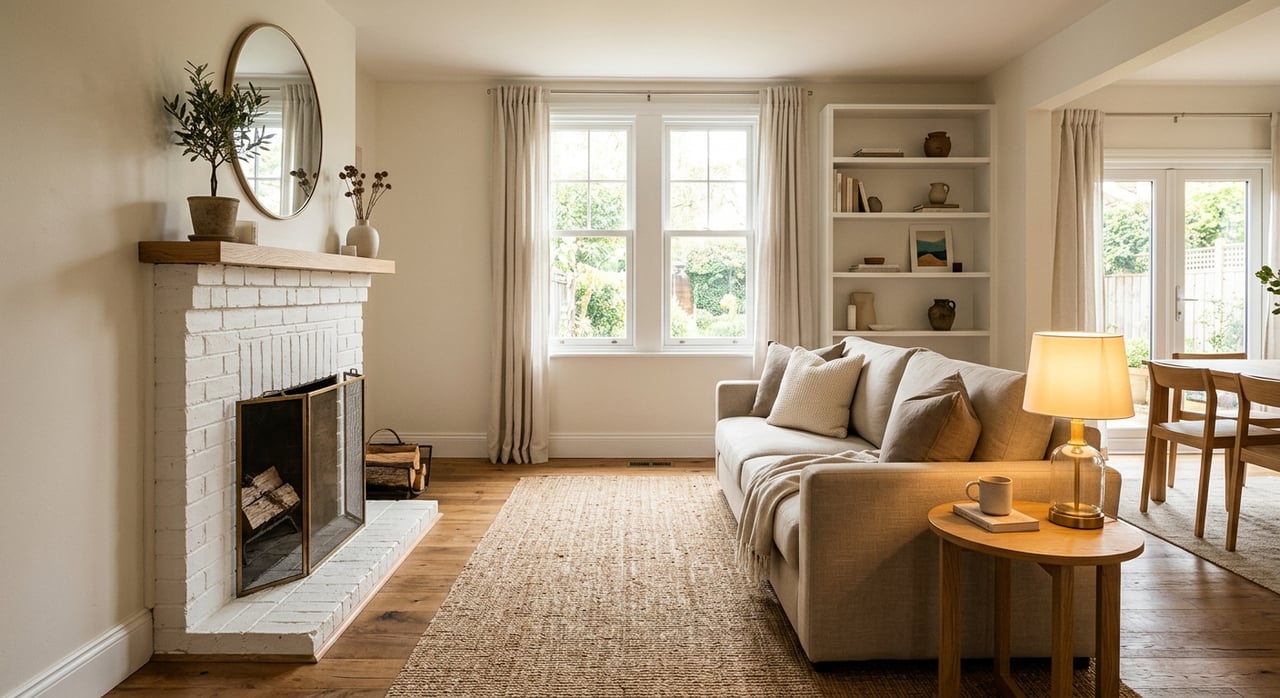
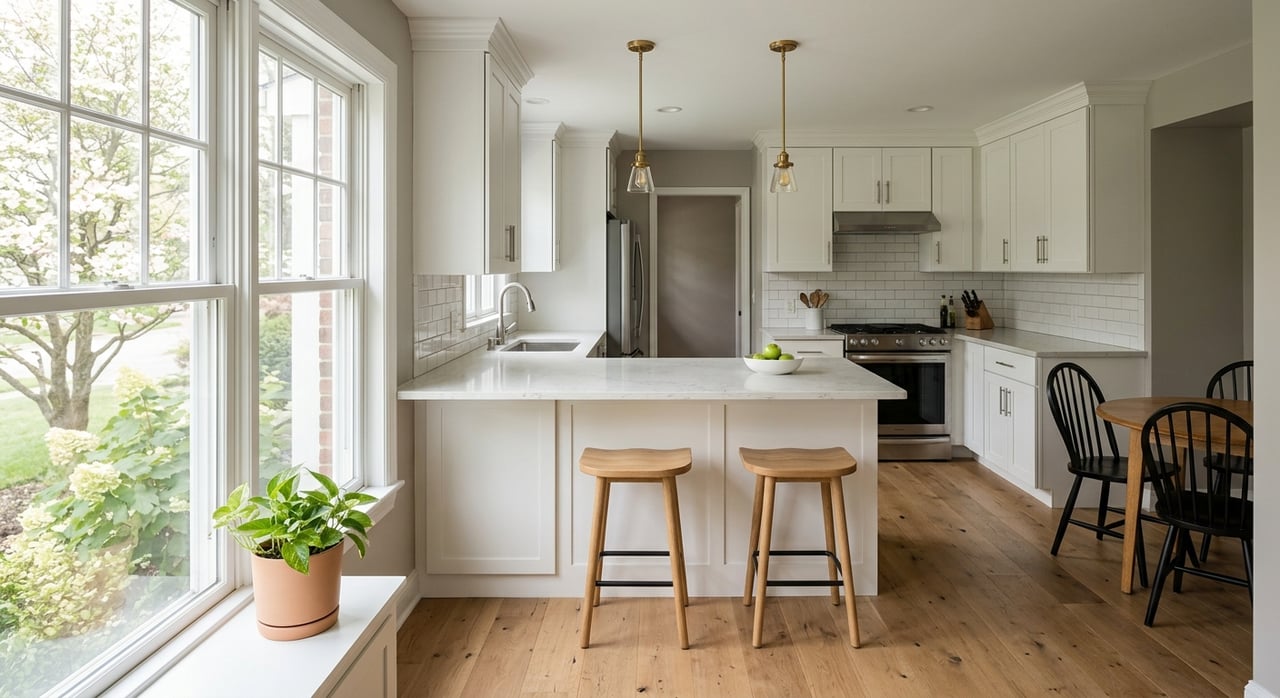
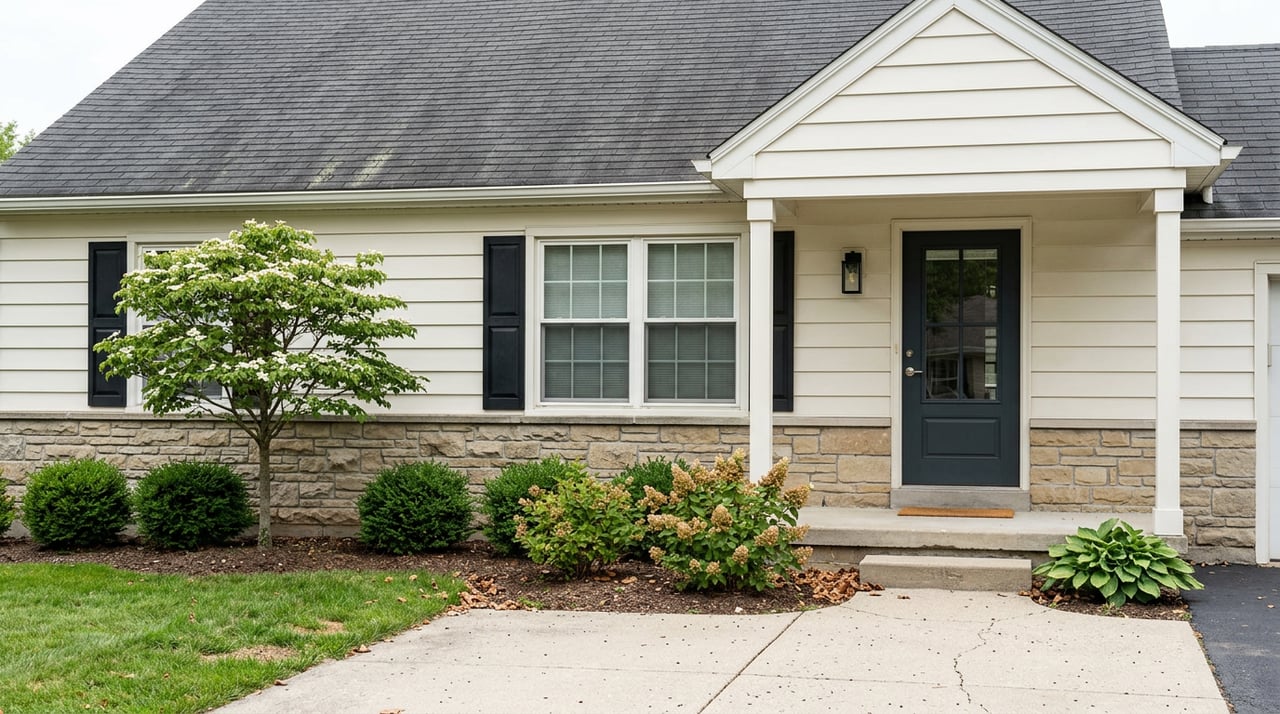
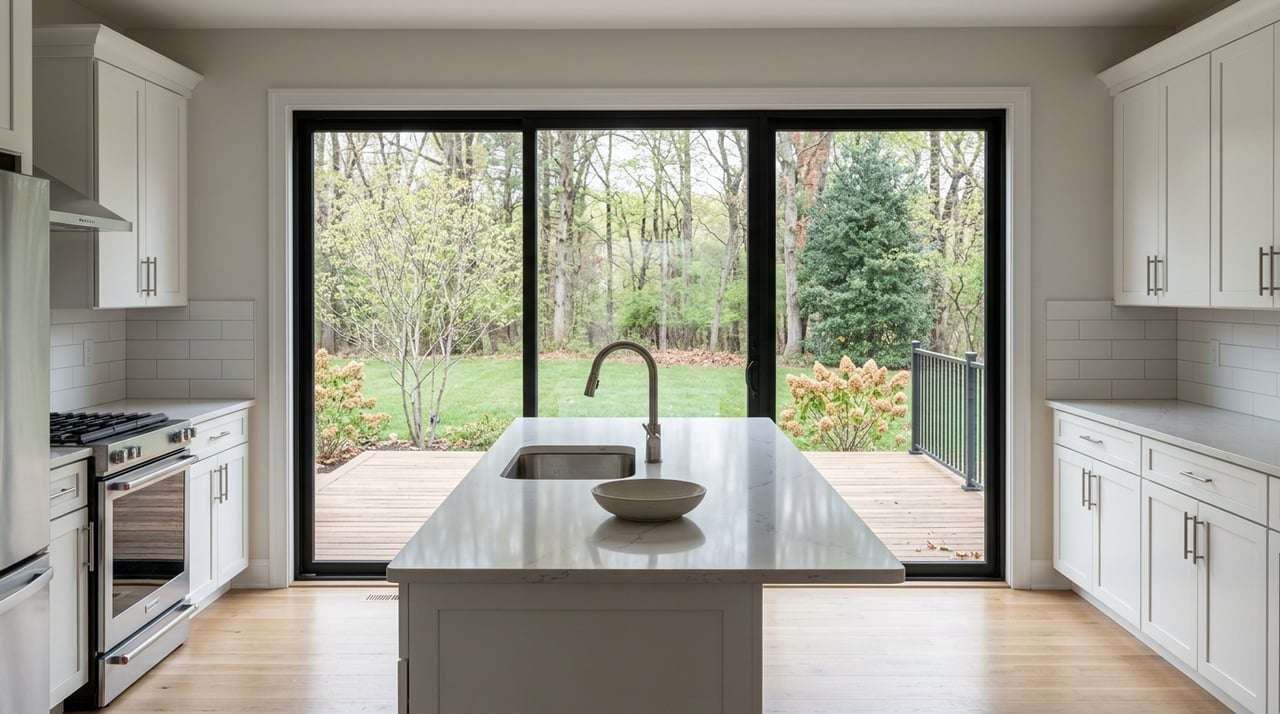
You will see mostly single-family homes across the borough. Common styles include mid-20th-century ranches and split-levels, traditional colonials, and newer suburban builds. New-construction subdivisions and some infill development exist in select areas. Multi-family properties and high-density housing are less common within the borough limits.
Price context and taxes
Sale prices vary by neighborhood, square footage, lot size, updates, and age of the home. Rather than rely on headlines, ask for current median sale prices, days on market, and a property-by-property price range based on your criteria. In Pennsylvania, property taxes and school taxes are a meaningful part of your monthly costs. For any address, review tax records with the county or local tax office before you write an offer.
Utilities and internet
Electric, gas, water, sewer, and trash service can be provided by a mix of municipal and private companies. Ask early about septic versus public sewer and well versus municipal water. Internet speeds differ by street and provider, so request a recent speed test and confirm service tiers. If you work from home, verify upload speeds and data caps before your inspection period ends.
New resident checklist
- Drive your commute during peak hours to confirm real travel time.
- Verify school boundaries and review recent district performance information.
- Pull property tax and school tax amounts for the exact parcel.
- Confirm sewer and water type, trash pickup, and any HOA rules or dues.
- Ask about snow removal policies for roads and your driveway access.
- Map your closest grocery store, pharmacy, urgent care, and preferred hospital.
- Check internet options and run a speed test at the property.
- Review neighborhood traffic and activity at different times of day.
Pros and cons
Pros
- Quieter suburban and semirural setting with larger lot sizes.
- Access to Pittsburgh employment and amenities within a practical drive.
- Borough parks, youth programs, and regional outdoor options nearby.
- Many buyers consider Franklin Regional School District an advantage.
Cons
- Limited public transit means higher car dependency.
- Peak-hour traffic can lengthen drive times to some employers.
- Property taxes may differ from other nearby suburbs, impacting monthly costs.
How a local agent helps
A smooth move to Murrysville starts with clear information and on-the-ground guidance. You want a partner who will walk you through taxes, utilities, commute checks, and school boundary questions while keeping your search focused. If you are relocating, virtual tours and FaceTime showings can help you act quickly and confidently. If you are selling to buy, thoughtful staging and strong presentation can support your timeline and budget.
When you work with a Westmoreland-based agent who handles both buyers and sellers, you get practical advice on pricing, offer terms, inspections, and closing. You also gain access to local contractor referrals and a step-by-step plan from the first showing to the handoff of keys.
Ready to explore homes in Murrysville with a clear plan and calm process? Connect with Katie Franks for local guidance, virtual showings for out-of-town buyers, and staging-forward support if you need to sell before you buy.
FAQs
Rush hour commute from Murrysville to Pittsburgh?
- Typical drives range about 25 to 40 minutes depending on traffic, weather, and your exact starting point in Murrysville.
Which schools serve my Murrysville address?
- Much of the borough is served by Franklin Regional; confirm the specific school assignments for your exact address with the district.
Common Murrysville home styles and prices?
- Expect single-family ranches, split-levels, colonials, and newer builds; prices vary by size, condition, lot, and location, so request current data for your criteria.
Places to walk, bike, or exercise nearby?
- Borough parks, trails, and nearby regional parks offer walking, hiking, and cycling options, plus local fields and courts for organized sports.
Is there public transit to Pittsburgh?
- Transit within Murrysville is limited; some regional commuter options exist, but most residents rely on driving, rideshare, and park-and-ride.
How do Murrysville property taxes compare?
- Tax rates differ by municipality; review the parcel’s current property and school taxes and compare with nearby suburbs during your planning.
Is high-speed internet available borough-wide?
- Availability and speeds vary by neighborhood and provider; verify service tiers and run a speed test at the specific property.
Who are local utility providers and setup steps?
- Providers can be municipal or private depending on the address; confirm gas, electric, water, sewer, and trash details with the seller and set up accounts before closing.